Emergency Dentist Solutions for Cracked Teeth and Oral Injuries
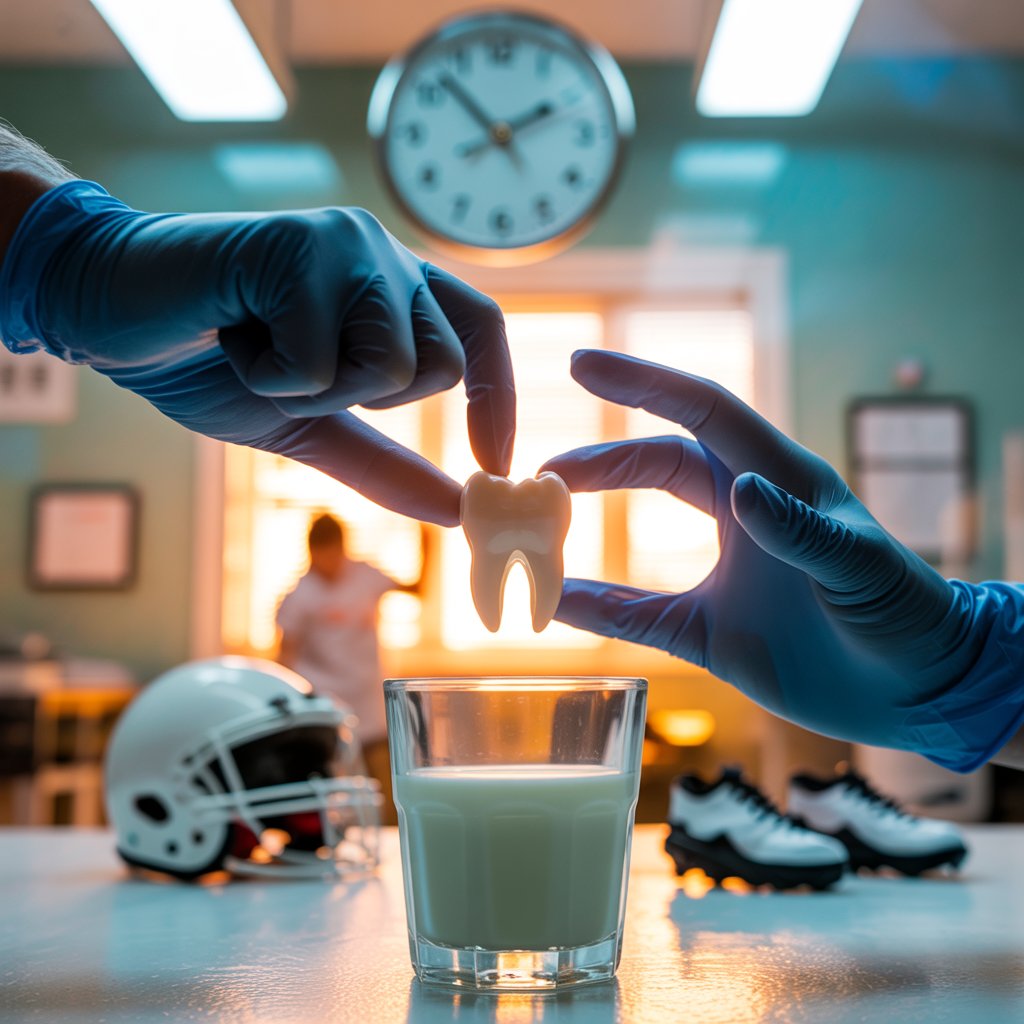
A cracked tooth has a way of turning an ordinary day into a sharp, immediate problem. Sometimes it happens with a sudden bite into a hard olive pit or an unpopped popcorn kernel. Sometimes it follows a fall, a sports collision, or a punch to the mouth. Oral injuries can look minor in the mirror and still carry deeper damage under the gumline or inside the tooth. That gap between what a patient can see and what is actually happening is one reason prompt care matters.
An Emergency Dentist does more than stop pain. In many cases, rapid treatment can save a tooth, prevent infection, and reduce the risk of more extensive procedures later. I have seen situations where a small crack, treated the same day, needed only smoothing and bonding. The same type of crack, ignored over a long weekend, ended with a root canal or extraction because bacteria had reached the pulp or the fracture had spread below the gum.
The challenge for most people is that dental emergencies are messy. They do not arrive with perfect symptoms. One person has intense pain and obvious swelling. Another has a chipped front tooth with no pain at all, then wakes up two days later unable to bite. The right response starts with recognizing what counts as urgent, what can be done safely at home for a few hours, and what an emergency appointment is likely to involve.
What counts as a true dental emergency
Not every chip or sore spot needs same hour treatment, but cracked teeth and oral injuries deserve careful attention because they can worsen quickly. A hairline craze line in enamel may be mostly cosmetic. A vertical fracture that reaches dentin or pulp is another matter entirely. The same is true for trauma. A small lip cut may heal well with home care, while a displaced tooth can become time-sensitive within minutes.
A good rule is simple: if the injury affects your ability to bite, causes bleeding that does not settle, changes the position of a tooth, exposes a sharp or sensitive surface, or comes with swelling or significant pain, it should be evaluated promptly. Dental pain that wakes you from sleep, pain when releasing a bite, and pain triggered by cold can all point to a crack that extends deeper than the visible damage suggests.
Trauma to the mouth also needs a wider lens than many patients expect. Teeth, gums, bone, lips, cheeks, and jaw joints can all be involved in the same incident. Someone may focus on the chipped incisor and miss the loosened neighboring tooth or the jaw tenderness that signals a more complex injury. Emergency care is partly about triage, not just repair.
The different ways teeth crack, and why the distinction matters
Dentists use different terms for cracked teeth because treatment depends on where the fracture runs and how far it goes. From the patient side, these distinctions explain why one person gets a simple filling while another needs a crown, a root canal, or removal of the tooth.
Craze lines are tiny superficial lines in enamel. They are common, often harmless, and more visible under bright bathroom lighting than they are clinically serious. Chipped cusps tend to happen on molars around existing fillings. They may feel rough or sensitive, but if the crack stays above the pulp, repair can be straightforward. More concerning are true cracks that run from the chewing surface downward. These may cause pain when biting, especially when pressure is released, because the tooth flexes microscopically. Split teeth are more severe, where the crack has separated segments of the tooth. Vertical root fractures can be especially tricky because they may show few Emergency Dentist early symptoms and often reveal themselves through swelling or recurrent infection.
Patients are often surprised to learn that pain severity does not always match damage severity. A small enamel chip on a front tooth can feel dramatic because you notice it with your tongue every second. A deeper crack in a molar may hide under an old filling and produce only occasional discomfort until one hard bite turns it into a dental emergency.
Oral injuries that need urgent attention
Cracked teeth are only one part of the picture. Mouth injuries after falls, car accidents, sports impacts, and workplace incidents can include avulsed teeth, where the tooth is knocked out completely, luxation injuries, where the tooth is pushed out of position, and soft tissue wounds to the lips, tongue, or gums. Bleeding can look alarming because the mouth is highly vascular, but the bigger concern is often structural damage under that blood.
An avulsed adult tooth is one of the most time-sensitive problems in dentistry. If handled correctly and treated fast, it may sometimes be replanted successfully. A baby tooth is different, and should not be reinserted because doing so can damage the developing permanent tooth. This is one of those moments where quick judgment matters. Parents, coaches, and school staff often mean well, but the wrong first step can complicate treatment.
Jaw pain after a blow should not be brushed off either. If the bite suddenly feels uneven, opening the mouth becomes difficult, or there is numbness in the lip or chin, those signs may point beyond the tooth itself. In those cases, a dentist may coordinate with medical or oral surgery services rather than treating the injury as an isolated chip.
What to do in the first hour
The time between injury and treatment matters, but panic tends to produce poor decisions. The safest first steps are practical and focused on protecting the mouth until you can be seen.
- Rinse gently with clean lukewarm water to clear debris and blood.
- Apply firm pressure with gauze or a clean cloth if bleeding is active.
- Use a cold compress on the outside of the face in short intervals to limit swelling.
- Save any broken tooth fragments, and if a permanent tooth is knocked out, hold it by the crown rather than the root.
- Call an Emergency Dentist immediately, describe the injury clearly, and ask whether they want you to come straight in or take a specific interim step.
Those five measures cover most situations safely. A few cautions matter just as much. Do not place aspirin directly on the gums, a common but harmful home remedy that can burn soft tissue. Do not keep testing the tooth by biting on it. Do not scrub a knocked-out tooth root. If a permanent tooth is avulsed and visibly clean, some dentists may advise gently rinsing it and attempting reinsertion, but only if the patient is calm, conscious, and the situation is appropriate. If not, storing the tooth in milk or a tooth preservation solution while traveling to care is usually more realistic.
For pain relief, over-the-counter medication can help if the person can take it safely, but medication should not delay treatment. A fractured tooth with exposed dentin or pulp can escalate from pain to infection quickly.
What happens at an emergency dental visit
Most emergency dental appointments follow a sequence, though the details vary with the injury. First comes symptom review and trauma history. How the injury happened matters. A crack from biting into food raises one set of possibilities. A blow from a baseball raises another, including injury to supporting bone and neighboring teeth.
The examination usually includes visual inspection, percussion, bite testing, checking mobility, evaluating the gums and soft tissues, and often dental radiographs. Standard X-rays do not reveal every crack, which frustrates patients who expect a simple yes or no answer from imaging alone. Crack diagnosis often relies on the full clinical picture: symptoms, magnification, transillumination, bite response, and sometimes removing an old restoration to inspect the tooth directly.
A dentist’s first goal is stabilization. That may mean smoothing a sharp edge, placing a protective sedative filling, bonding a fractured area, splinting a loose tooth, or controlling bleeding from a laceration. Definitive treatment may happen right away or in stages. A badly broken front tooth might be rebuilt temporarily that day, with final cosmetic restoration later after the pulp status is clear. A cracked molar may need a crown, but if the pulp is inflamed or infected, root canal therapy may come first.
Patients often want certainty in one visit, yet dental trauma can evolve. A tooth that tests normal on day one may later show signs of pulpal damage. That is not poor care. It is part of how injured teeth behave, which is why follow-up matters even when the immediate repair looks excellent.
Treatment options for cracked teeth
There is no single fix for every crack. The right approach depends on location, depth, symptoms, and whether the pulp is involved.
Small chips confined to enamel can often be polished or bonded. If a larger piece breaks but enough healthy structure remains, composite bonding or a ceramic restoration may restore form and function. Cracks in back teeth commonly need full cuspal coverage, often a crown, because the tooth needs to be held together under chewing forces. Temporary stabilization can be surprisingly helpful in diagnosis. If symptoms improve once the tooth is protected, that supports the idea that flexing along the crack was driving pain.
When the crack reaches the pulp, root canal therapy may be necessary to remove inflamed or infected tissue before placing a crown. The crown is not just cosmetic. It helps brace the remaining tooth and reduce further propagation of the fracture. Still, not every cracked tooth is savable. If the fracture extends deep below the gumline or splits the root, extraction may be the most predictable option.
That can be hard for patients to hear, especially when the visible part of the tooth still looks mostly intact. One of the more difficult conversations in emergency dentistry is explaining that the real problem lies where the eye cannot see. Preserving a hopeless tooth at all costs can mean repeated infections, more pain, and eventually more complicated replacement planning.
Solutions for knocked-out, loose, and displaced teeth
A tooth that has been knocked out entirely presents one of the clearest examples of why speed matters. The periodontal ligament cells on the root surface begin to lose viability once they dry out. The shorter the dry time, the better the chance of a useful outcome. Even then, success is not guaranteed. Age, root development, contamination, and the force of injury all influence prognosis.
A loose tooth may be repositioned and splinted to neighboring teeth to let the supporting tissues heal. A displaced tooth often needs careful repositioning before splinting. Follow-up testing over weeks and months checks whether the pulp survives or later requires root canal treatment. In children and adolescents, management can be especially nuanced because developing roots respond differently than mature teeth.
Soft tissue injuries may also need repair. A lip laceration can hide tooth fragments inside the tissue, which is one reason some trauma cases need imaging beyond the tooth itself. A thorough emergency evaluation looks for those details rather than treating only the most obvious damage.
The costs of waiting
People delay emergency dental care for all kinds of reasons. It is late, the pain comes and goes, there is a work shift to finish, the injury happened during travel, or the tooth does not look bad enough to justify the disruption. That hesitation is understandable, but cracked teeth rarely reward delay.
The first cost is biological. Cracks deepen under chewing pressure. Exposed dentin irritates the pulp. Bacteria find pathways into areas that were previously sealed. The second cost is financial. The difference between a small bonded repair and a crown is significant. The difference between a crown and extraction with replacement is greater still. The third cost is practical. Emergency problems tend to worsen at inconvenient times, often becoming weekend or after-hours emergencies when options are narrower.
I have seen patients arrive with a tooth they broke three weeks earlier, managing it by chewing on the other side. What began as intermittent sensitivity had become facial swelling and a spreading infection. At that stage, the conversation changes from preserving comfort to containing disease.
How emergency dentists judge whether a tooth can be saved
This is where experience matters. Saving a tooth is usually the preferred outcome, but not every heroic effort is wise. Dentists weigh the restorability of the tooth, crack depth, periodontal status, bite forces, patient age, oral hygiene, and whether the tooth serves as a key support in the mouth. A heavily restored molar with a deep vertical fracture and limited remaining structure may fail even if pain can be managed temporarily. A similarly cracked tooth with a more favorable fracture line and healthy surrounding bone may do well for years after timely treatment.
Patients sometimes hear conflicting opinions because cracked teeth occupy gray zones. One clinician may recommend immediate extraction based on poor long-term prognosis. Another may attempt stabilization first if the fracture pattern is not fully clear. Neither approach is automatically wrong. The better question is whether the trade-offs have been explained honestly. Temporary treatment may buy time for diagnosis or help a patient bridge to a planned procedure, but it should not be presented as a guaranteed fix when it is not.
Aftercare, recovery, and what surprises patients most
Once the emergency is handled, many people assume the problem is over. In reality, recovery often continues in stages. Soft tissue soreness can last several days. Teeth that have been concussed by trauma may remain tender even when they are structurally stable. Bite adjustments after a repair can make a major difference, because even a slightly high spot can turn a comfortable restoration into a painful one.
Patients are often surprised by delayed sensitivity to cold or pressure. That does not always mean treatment failed. An injured pulp can stay irritated before either settling down or declaring itself more clearly over time. Dentists usually advise watchful follow-up for this reason.
A few aftercare basics make recovery smoother:
- Eat soft foods on the opposite side for the period your dentist recommends.
- Keep the area clean with gentle brushing and, if advised, a warm saltwater rinse.
- Avoid chewing ice, hard candy, nuts, and other high-force foods during healing.
- Return promptly if pain escalates, swelling appears, or your bite suddenly feels different.
- Keep follow-up visits, even if the tooth feels normal.
Those instructions sound simple, but they prevent a surprising number of setbacks. I have seen carefully bonded teeth re-fracture within 24 hours because the patient tested them on crusty bread or almonds. The emergency repair did its job, but healing still needed cooperation.
Prevention that actually works in real life
No prevention strategy removes all risk, but practical habits reduce the odds of a dental emergency. Night guards can make a real difference for people who grind or clench, especially those with existing cracks or large fillings in back teeth. Sports mouthguards remain underused outside organized athletics, even though casual basketball, skateboarding, cycling, and home improvement accidents generate plenty of oral trauma.
Diet and daily habits matter too. Chewing ice, opening packages with teeth, and cracking nutshells are reliable ways to turn a healthy cusp into a fractured one. Existing dental work also deserves respect. Teeth with large fillings are structurally weaker than untouched teeth. If a dentist recommends a crown for a heavily restored molar with developing crack symptoms, that recommendation is often preventive, not upselling. The goal is to reinforce the tooth before it breaks in a way that limits options.
Regular exams help because early crack signs are subtle. A dentist may notice wear facets, fractured filling margins, or localized tenderness before the patient recognizes a problem. Catching that stage is far easier than managing an emergency on a holiday evening with half the tooth missing.
Choosing the right emergency care when minutes matter
When you call for urgent help, be specific. Say whether the tooth is cracked, loose, displaced, or knocked out. Mention ongoing bleeding, swelling, fever, trouble swallowing, or difficulty opening the mouth. Those details shape how quickly you need to be seen and whether the office may direct you to a hospital or oral surgeon instead.
An Emergency Dentist is best equipped to help when the issue is centered on teeth, gums, restorations, and many forms of oral trauma. If there is suspected facial fracture, uncontrolled bleeding, loss of consciousness, or breathing compromise, medical emergency care takes priority. The best outcomes come from choosing the right door first.
Dental emergencies are stressful partly because they are sudden and partly because people feel unsure of the next step. The good news is that cracked teeth and oral injuries respond well to timely, appropriate care. Fast action can preserve teeth that might otherwise be lost. Even when a tooth cannot be saved, prompt treatment controls pain, limits infection, and creates a cleaner path to restoration. In emergency dentistry, the clock matters, judgment matters, and small early decisions often shape the final outcome more than patients realize.
Vitality Dental
1220 Coit Rd # 106, Plano, TX 75075, United States
+1 972-645-4100
FAQ About Emergency Dentist
What counts as a dental emergency?
A knocked-out tooth, significant mouth injury, severe tooth pain, or painful swelling warrants prompt evaluation. Call your dentist and describe your symptoms so the office can advise you on how urgently you need care.
What should I do if I knock out a permanent tooth?
Call a dentist immediately. Handle the tooth by the crown, avoid touching the root, and keep it moist. If you cannot put it back into the socket easily, transport it in milk or a tooth-preservation solution. Bring it with you to the appointment.
Should I go to the emergency room for a dental emergency?
Seek emergency medical care right away if you have trouble breathing or swallowing, uncontrolled bleeding, or a serious facial injury. For an isolated tooth injury or toothache without those symptoms, call a dentist promptly for guidance.