Emergency Dentist Plano, TX: Understanding Same-Day Dental Procedures


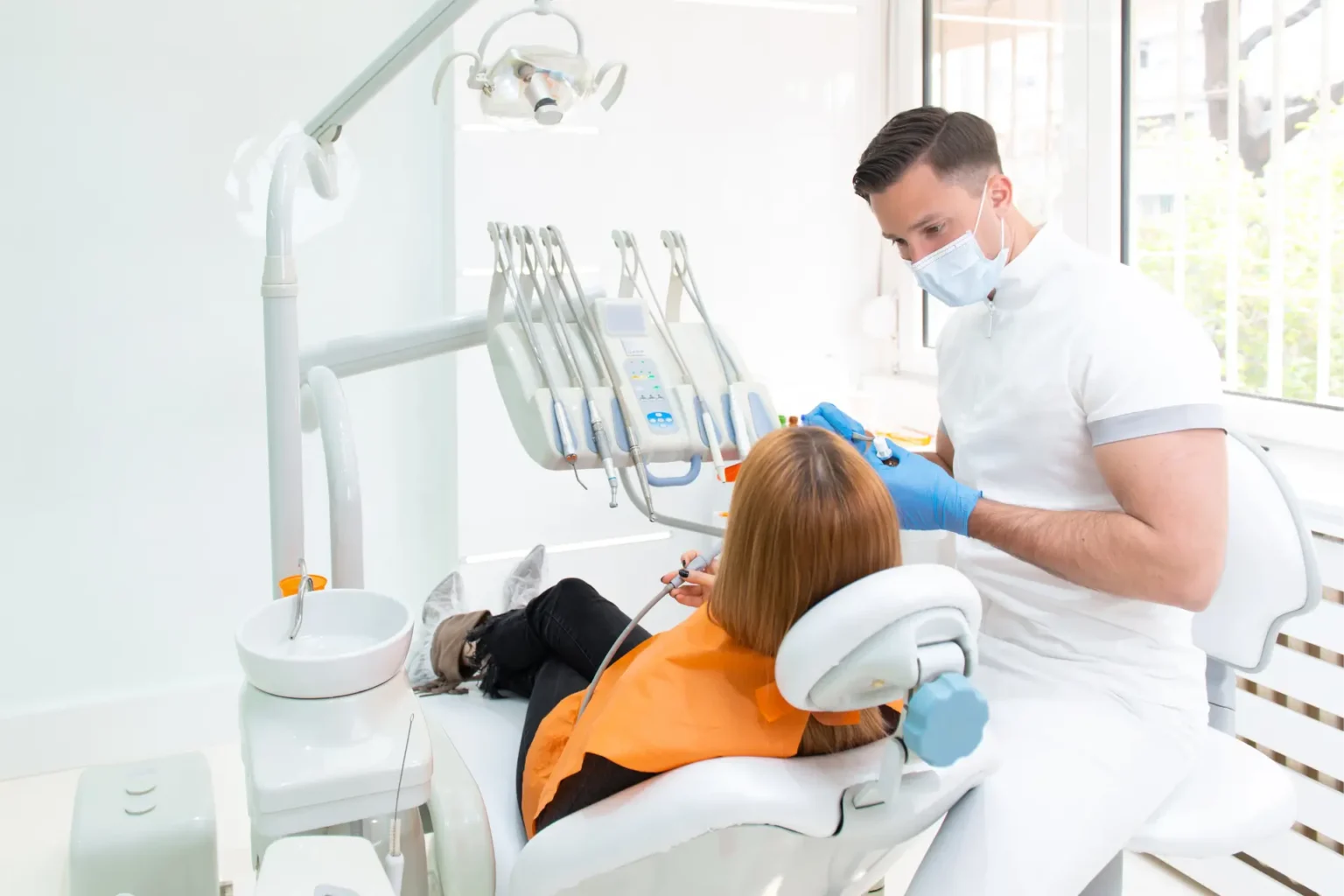
Dental emergencies rarely arrive at a convenient hour. A cracked molar does not care that you have a meeting in thirty minutes. A knocked-out front tooth does not wait for the weekend to end. When pain spikes, swelling develops, or a restoration fails right before a family event, people usually ask the same question: what can actually be treated today?
That question matters. The phrase Emergency dentist Plano, TX often brings to mind fast relief, but same-day care is more nuanced than many patients expect. Some problems can be fully treated in one visit. Others can be stabilized the same day, with final treatment scheduled after inflammation settles or a specialist weighs in. Knowing the difference helps people act faster and make better decisions under stress.
In a busy practice setting, same-day emergency dentistry usually revolves around three priorities: stopping pain, controlling infection, and preserving the tooth when possible. Everything else follows from those goals. If a dentist can diagnose the issue clearly and the surrounding tissues cooperate, the office may be able to complete treatment that day. If not, the first visit still plays a crucial role. It can mean the difference between a manageable repair and a much larger problem a week later.
What counts as a true dental emergency
Not every urgent dental concern is an emergency, but many are. The practical dividing line is whether the problem threatens your health, your tooth, or your ability to function normally. Severe pain that keeps you from sleeping, visible swelling, uncontrolled bleeding, trauma to the mouth, or a loose adult tooth deserves prompt attention. So does a lost crown or filling if the exposed tooth is painful or sharply fractured.
A mild ache that comes and goes with cold drinks may not require an immediate after-hours visit, though it should not be ignored. By contrast, a toothache that escalates over a day or two, especially one paired with swelling or sensitivity to biting, can move quickly from inconvenient to urgent. In North Texas, where people often try to fit dental care around work, school pickup, and sports schedules, delays are common. Unfortunately, the mouth is not especially patient with postponed treatment.
Children, teens, and adults all present differently. A teenager who chips an incisor at baseball practice may feel little pain but still need urgent evaluation because the nerve could be exposed. An older adult with a broken cusp under an existing filling may assume it is just part of aging, when in fact that fracture can deepen every time they chew. The symptoms may look different, but the same principle applies: the sooner a dentist assesses the damage, the more options remain on the table.
What “same-day procedure” really means
Same-day care does not always mean a permanent fix in one appointment. In emergency dentistry, it more often means treatment begins right away and relief is delivered as soon as possible. Sometimes that relief is definitive, such as a tooth-colored filling placed over a newly fractured area. Sometimes it is interim but essential, like draining an abscess, prescribing medication when indicated, or placing a protective temporary crown.
From a clinical standpoint, a same-day emergency visit usually includes a focused exam, diagnostic imaging, and a treatment decision based on what the dentist sees in real time. X-rays may show a deep cavity into the nerve, a vertical crack, bone loss, or an infection at the root tip. The gums may reveal swelling, a draining fistula, or trapped food causing localized inflammation. Trauma cases can involve not only teeth but also lips, cheeks, jaw joints, and supporting bone.
The phrase patients often use is “Can you do something today?” In many cases, yes. But good emergency care is not rushed care. A dentist has to determine whether numbness can be achieved, whether enough healthy tooth remains to restore, whether infection has distorted local tissues, and whether the patient’s medical history changes the approach. Blood thinners, uncontrolled diabetes, pregnancy, immune suppression, and certain heart conditions all affect same-day planning.
The conditions most often treated immediately
A surprising number of emergencies can be addressed during the first visit. Lost fillings, chipped teeth without nerve exposure, many broken crowns, and some painful cavities are common examples. If the damage is straightforward and the tooth can be isolated properly, a bonded restoration may solve the problem on the spot.
Root canal treatment is another area where expectations matter. Many patients assume a root canal always requires multiple visits. Sometimes it does. Yet in emergency Emergency dentist Plano, TX cases, a same-day root canal or partial root canal treatment may be possible, particularly for a front tooth or a premolar with uncomplicated anatomy. Even when the entire procedure is not completed in one sitting, removing inflamed tissue from inside the tooth and placing a medicated temporary filling often gives dramatic relief.
Extractions also fall into this category. If a tooth is non-restorable, severely loosened, or associated with significant infection, the dentist may recommend removing it that day. For some patients, hearing that they need an extraction is upsetting. Yet when a tooth has fractured below the gumline or infection has compromised the surrounding bone, prompt removal can be the most predictable way to end pain and protect adjacent tissues.
Re-cementing a crown, smoothing a sharp broken edge, splinting a slightly displaced tooth after trauma, and adjusting a bite that has become suddenly painful are all examples of treatment that can happen quickly with the right findings. The key word is findings. Dentists do not decide based solely on the symptom you describe over the phone. They decide after examining the tooth, the supporting structures, and the imaging.
When the same day visit is about stabilization, not completion
There are times when the immediate goal is to buy time safely. That is not a lesser standard of care. It is often the most clinically sound path.
A patient may arrive with severe swelling from an abscess, but the tissue is so inflamed that local anesthesia is less effective. Another may have a cracked tooth with pain so diffuse that the exact source needs further evaluation once the worst inflammation has settled. Trauma can create similar uncertainty. A tooth that appears stable after a fall may later show signs of nerve damage, discoloration, or root resorption that no one can confirm in the first hour.
In these situations, same-day treatment often means drainage, temporary protection, pain control, and a short interval recheck. Dentists are balancing urgency against long-term success. A rushed permanent procedure on a poorly diagnosed tooth tends to fail. A carefully staged approach usually serves the patient better, even if it is less emotionally satisfying in the moment.
This is also where communication matters. Patients cope better when they understand why the dentist is recommending a temporary crown instead of a final one, or palliative root canal access instead of full treatment immediately. Good emergency care is not only about technical skill. It is also about setting realistic expectations under pressure.
A closer look at the most common same-day procedures
Tooth-colored fillings for fractured or decayed teeth
When a cavity opens up suddenly or a corner of a tooth snaps off, a direct filling can often restore shape and reduce sensitivity right away. This is one of the more predictable same-day procedures because it requires relatively little healing time. The biggest variables are how deep the decay runs and whether the fracture extends into the nerve or below the gumline.
Patients are often surprised by how much relief comes from a well-sealed filling. Air, temperature changes, and chewing pressure stop hitting exposed dentin, and the tooth can settle down quickly. If the dentist suspects the nerve is already irreversibly inflamed, they may explain that the filling is a short-term measure and that root canal therapy or a crown could still be needed.
Emergency crowns and temporary crowns
A crown that pops off before a wedding, presentation, or trip feels like an emergency even if it is not causing pain. Sometimes the original crown can be cleaned and re-cemented. Sometimes it cannot, especially if the underlying tooth has decayed or fractured further. In that case, the office may prepare the tooth again and place a temporary crown the same day.
Temporary crowns do more than improve appearance. They protect exposed tooth structure, maintain spacing, and reduce sensitivity. In practices equipped with digital scanning and in-office milling, a permanent crown may occasionally be fabricated the same day. That depends on the material, the location in the mouth, the bite forces involved, and whether the tooth needs additional treatment first.
Root canal treatment for inflamed or infected teeth
Emergency root canal therapy is often misunderstood. Patients imagine a long, painful ordeal. In reality, when the source of pain is a badly inflamed pulp, cleaning out the infected or dying tissue is usually what brings relief. Once the nerve chamber is treated, the tooth often feels significantly better within a day or two, though tenderness to biting can linger for a short time.
Not every emergency root canal is a full root canal in one visit. Molars with curved or calcified canals may require more time, and active drainage can influence how the dentist sequences treatment. Still, beginning care the same day is often enough to change the patient’s week entirely. It restores sleep, concentration, and the ability to eat.
Extractions for non-restorable teeth
No one plans for an emergency extraction. Yet in practice, this is one of the most efficient ways to resolve certain dental crises. A tooth split vertically, broken below the bone, or destroyed by advanced decay may simply not be salvageable. In those cases, keeping it longer can prolong pain and worsen infection.
After an extraction, the conversation should shift quickly to healing and replacement. Depending on the situation, options may include a bridge, a removable partial, or an implant once the area has healed. In the front of the mouth, temporary cosmetic solutions are especially important because patients are understandably concerned about appearance.
Repositioning and splinting after trauma
When a tooth is pushed out of position but still present, speed matters. The dentist may gently reposition the tooth and secure it with a flexible splint to nearby teeth. This is delicate work. The success of the procedure depends on how long the tooth was displaced, whether the root or socket bone fractured, and the patient’s age.
These injuries often look dramatic, but they are not always hopeless. Fast action can preserve teeth that would otherwise be lost.
What happens during the appointment
Emergency appointments tend to move faster than routine cleanings, but they are not casual. The dentist is gathering a lot of information in a compressed time frame. Patients who understand Emergency dentist Plano, TX Vitality Dental the sequence usually feel more at ease.
- The team starts with a focused history, including when the pain began, what triggers it, any swelling or fever, current medications, allergies, and relevant medical conditions.
- The dentist performs an exam and takes the appropriate X-rays or other images to identify the source of the problem.
- Once the diagnosis is clearer, the dentist explains the realistic same-day options, including what can be completed now and what may need follow-up.
- Treatment begins with the immediate goals of pain relief, infection control, tooth preservation, or removal of a non-restorable tooth.
- Before the patient leaves, the office reviews home care, medication instructions if needed, warning signs, and the next step in treatment.
That sequence may sound straightforward, but every emergency introduces judgment calls. A tooth that tests one way in the morning can look different by afternoon if swelling has increased. A patient who has not eaten all day may feel shaky once the adrenaline wears off. A child with lip swelling after trauma may need a gentler pace than an adult with a lost filling. Experience shows up in those moments.
Timing can change the outcome
A knocked-out permanent tooth is the classic example. If it is found quickly, handled by the crown rather than the root, and placed back into the socket or stored in milk while the patient heads to the dental office, the chance of saving it improves substantially. Wait too long, and the prognosis drops. The same pattern holds for many emergencies, even less dramatic ones.
Take a cracked back tooth. On day one, the crack may involve a cusp that can be stabilized with a crown. After a week of chewing on it, that same crack can extend deeper, turning a crown case into a root canal case or an extraction. Patients often describe this as “it was annoying and then suddenly it wasn’t fixable.” The sudden part is usually an illusion. The damage was progressing quietly.
In a growing area like Plano, where people commute, travel frequently, and often shift care around packed calendars, dental symptoms are easy to postpone. But with emergency dentistry, the clock matters. Pain is not always the best measure of severity. Some badly infected teeth drain and hurt very little, while some inflamed teeth cause excruciating pain with little visible swelling. What matters is not your pain tolerance. What matters is what the tooth and surrounding tissue are doing.
What an emergency dentist in Plano, TX may need to know before treatment
When patients call an Emergency dentist Plano, TX office, the most useful information is usually simple and specific. Is there swelling inside or outside the mouth? Was there trauma? Is the tooth broken, loose, or missing? Is there bleeding that will not stop? Have you taken any pain medication, and did it help? These details influence scheduling and preparation.
The medical side matters too. A patient on anticoagulants may still be able to have an extraction, but the dentist needs to plan carefully. Someone with a history of bisphosphonate use, uncontrolled blood pressure, or recent cardiac issues may need modifications in care. Pregnant patients can absolutely receive urgent dental treatment, though imaging and medication choices are handled thoughtfully.
Cost is another practical concern. Same-day emergency treatment often feels financially overwhelming because it arrives unplanned. In most offices, the exam and imaging determine the exact treatment options and fees. It is reasonable to ask whether there are phased solutions, such as a sedative filling today and definitive treatment next week. It is also reasonable to ask what happens if the preferred treatment turns out not to be possible once the dentist starts. Good offices address those questions directly.
Pain control, antibiotics, and common misconceptions
One of the most common misunderstandings in emergency dentistry is the idea that antibiotics “fix” tooth infections. They do not. If infection is coming from inside a tooth, the source is either necrotic pulp tissue or bacteria entering through a deep crack or cavity. Antibiotics may help contain spreading infection in the surrounding tissues, especially when swelling, fever, or systemic involvement is present. But the source still requires dental treatment, usually a root canal, extraction, or drainage.
Pain medication has similar limits. Over-the-counter anti-inflammatory drugs can be very effective for many dental pain patterns, but they do not reverse the underlying disease. Patients sometimes arrive after alternating medications for three days without eating or sleeping much. By that point, the body is stressed, the tissues are angrier, and the procedure may be more difficult than it would have been earlier.
Local anesthesia is generally very effective, but severe infection can complicate numbness. That is one reason dentists sometimes start with pressure relief, drainage, or staged treatment instead of forcing through a long procedure on highly inflamed tissue. Patients often interpret that as reluctance. More often, it is clinical judgment.
What you can do before you get to the office
A few practical steps can reduce damage before an emergency appointment. If a tooth is knocked out, hold it by the crown, not the root, and keep it moist. If you can place it gently back into the socket, do so. If not, milk is a better transport medium than a dry tissue. For swelling, a cold compress on the outside of the face may help. For bleeding after trauma, steady pressure with clean gauze is useful. For a broken tooth, save any pieces if you can and avoid chewing on that side.
Here are the situations that should move to the top of the schedule fast:
- Facial swelling that is spreading or affecting swallowing
- A knocked-out permanent tooth
- Uncontrolled bleeding
- Severe pain that does not respond to basic measures
- Trauma involving broken teeth, displacement, or possible jaw injury
What should you not do? Do not place aspirin directly on the gum. It can burn the tissue. Do not ignore a swelling that seems to be getting bigger by the hour. And do not assume a crown that fell off is harmless if the tooth underneath feels sharp, loose, or sensitive.
The emotional side of urgent dental care
Dental emergencies are not purely clinical events. They carry embarrassment, fear, frustration, and sometimes shame. Adults apologize for “letting it get this far.” Parents feel guilty when a child falls and chips a tooth. Patients with longstanding dental anxiety may delay calling until pain removes all other options.
An experienced emergency team recognizes that stress changes how people process information. A patient in pain may nod along without retaining much. That is why clear written instructions, calm explanation, and a simple next-step plan matter so much. Technical excellence is essential, but in urgent care settings bedside manner is not decorative. It is part of treatment.
I have seen relatively small procedures transform a patient’s week. A provisional repair on a fractured front tooth can restore enough confidence for someone to attend a job interview. A sedative dressing placed on a raging molar can let a parent sleep for the first time in two nights. These are not dramatic television moments. They are ordinary, high-value wins that make emergency dentistry such a practical branch of care.
Why follow-up matters even when you feel better
The danger of successful same-day relief is that patients assume the problem is fully resolved. Sometimes it is. Often it is not. A temporary crown still needs replacement. A root canal access opening still needs final completion and a proper restoration. A traumatized tooth may require vitality checks over time. An extraction site needs monitoring if bone grafting or future implant planning is on the horizon.
This is especially important when the first visit was aimed at stabilization. Once pain drops, motivation drops with it. Unfortunately, the biology keeps moving. Temporary materials wear. Cracks propagate. Infections can smolder and return. One of the more common patterns in emergency dentistry is the patient who says, “It felt fine for a few months, then it came back worse.” That usually traces back to unfinished treatment rather than bad luck.
For anyone searching for an Emergency dentist Plano, TX, the best same-day experience is one that combines urgency with judgment. Fast diagnosis matters. Pain relief matters. But so does knowing when to restore, when to refer, when to stage treatment, and when to say a tooth cannot be saved. Same-day dentistry is not about doing everything immediately. It is about doing the right thing at the right moment, with a clear plan for what comes next.
When that happens, emergency care stops feeling chaotic. It becomes what it should be: focused, practical, and reassuring at the exact point patients need it most.
Vitality Dental
1220 Coit Rd # 106, Plano, TX 75075, United States
+1 972-645-4100
FAQ About Emergency dentist Plano, TX
Will the ER do anything for dental pain?
An emergency department can assess urgent symptoms and provide medical stabilization. Definitive treatment of the tooth usually requires a dentist. Seek emergency medical care for breathing or swallowing difficulty, uncontrolled bleeding, or serious facial injury.
What to do if I have a dental emergency in the middle of the night?
Contact a dentist or after-hours dental service promptly for guidance. If a permanent tooth is knocked out, keep it moist in milk while seeking immediate care. If symptoms suggest a medical emergency, go to an emergency department.
What qualifies as a dental emergency?
A knocked-out permanent tooth, severe or persistent tooth pain, a significant dental injury, or swelling may require urgent dental assessment. Call a dentist to describe the symptoms and determine timing. Uncontrolled bleeding or difficulty breathing or swallowing requires emergency medical care.