Emergency Dentist Guidance for Nighttime Oral Emergencies
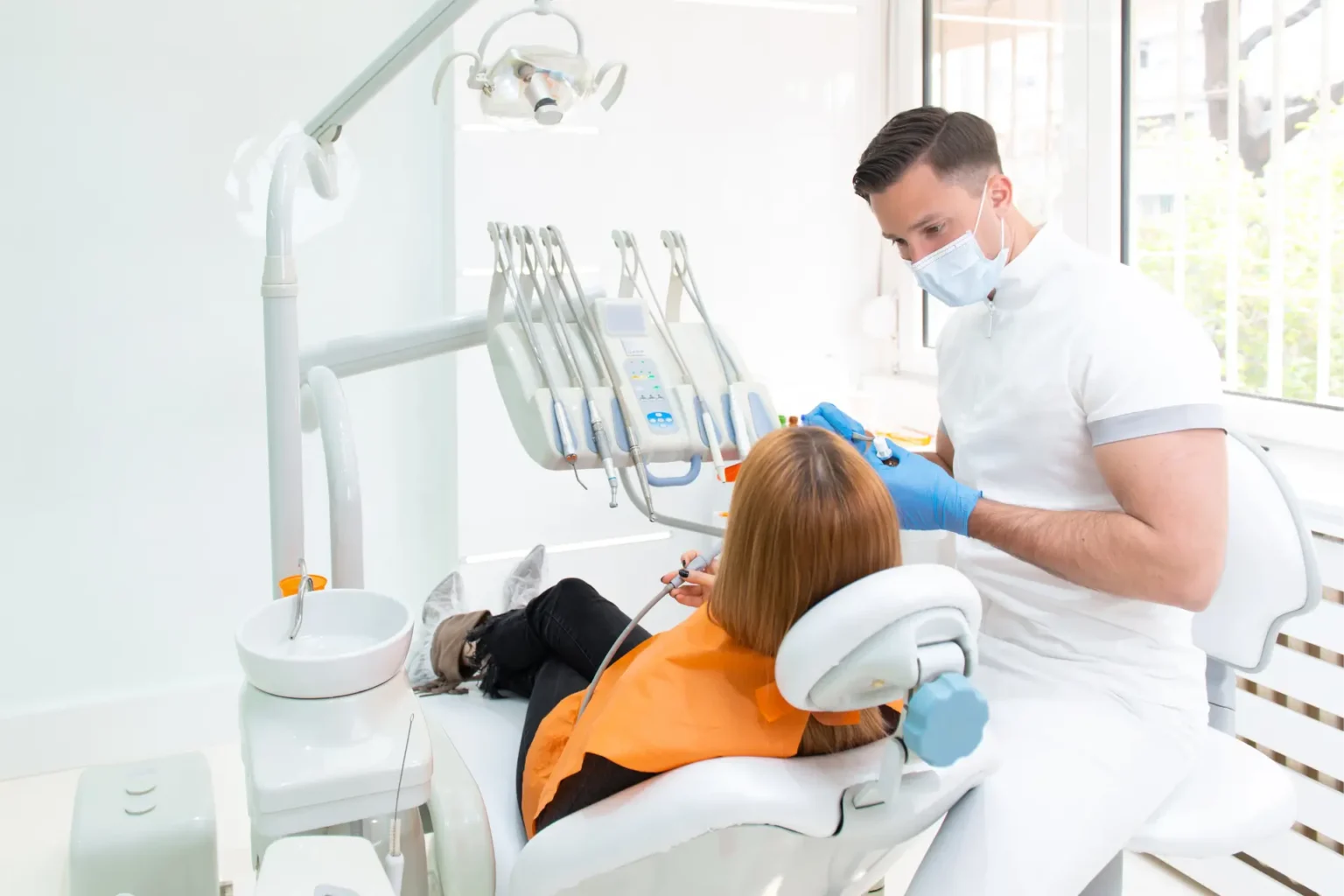
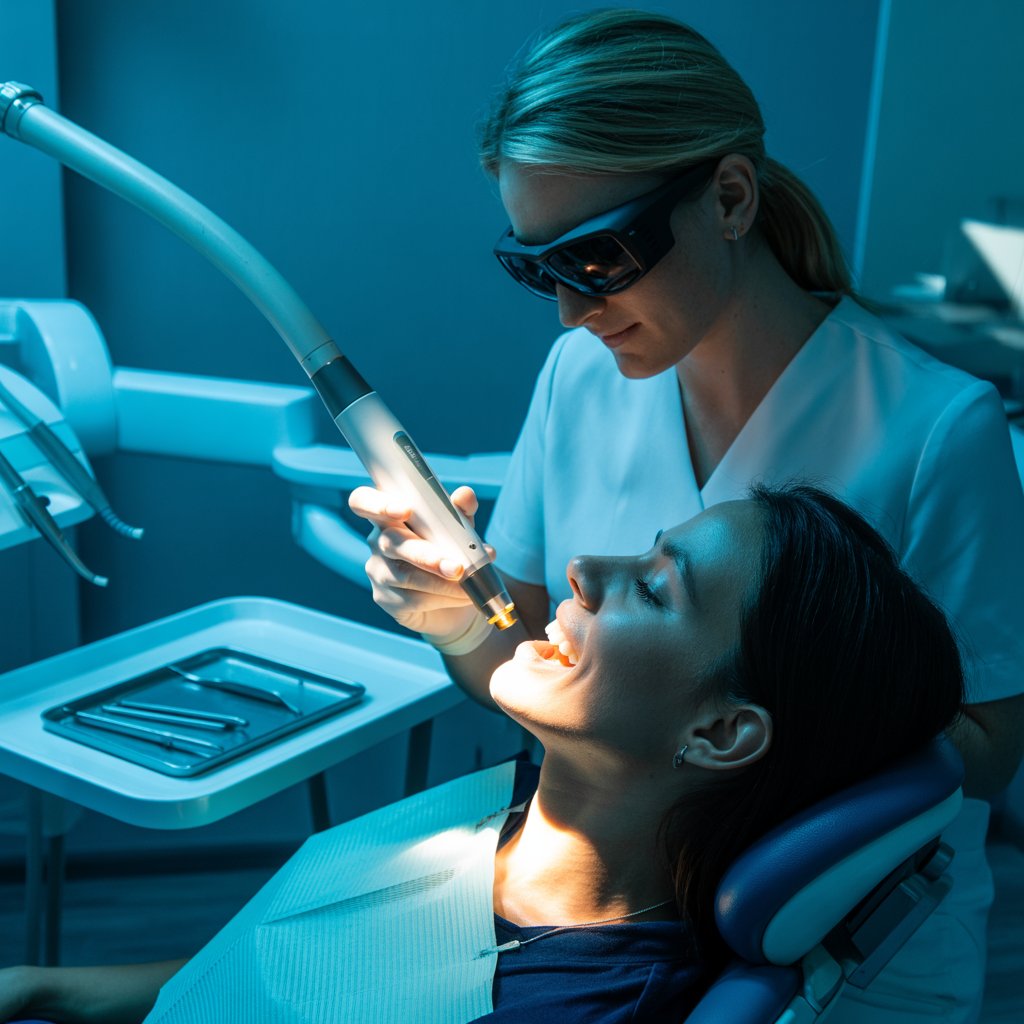
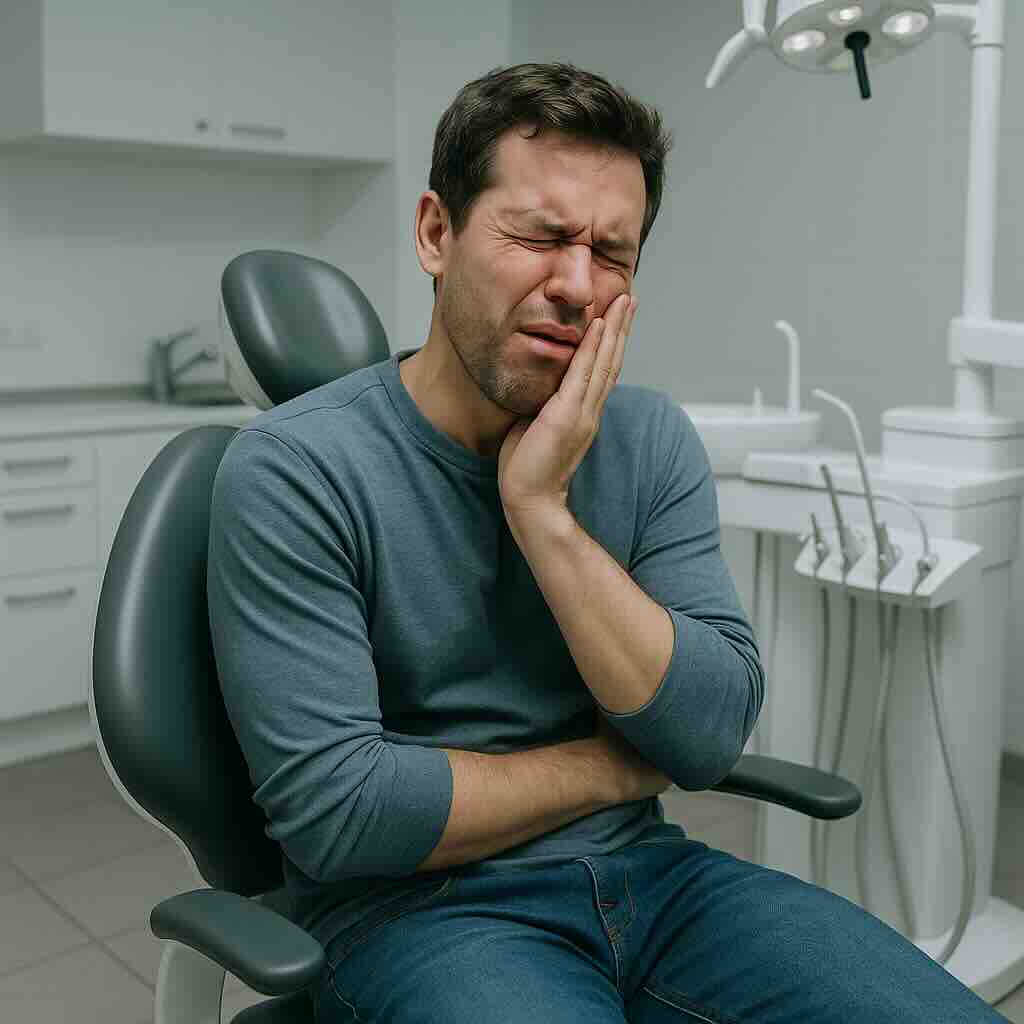
A dental emergency rarely arrives at a convenient hour. It is far more likely to start at 10:30 p.m., after dinner, after the children are asleep, or just as a long workday finally winds down. A filling drops out while flossing. A dull ache turns into a pounding throb. A child trips into a coffee table and suddenly there is blood, swelling, and panic in the room.
Those late-night moments tend to blur together because pain changes the way people think. Good judgment narrows. Small problems feel catastrophic, and serious problems can be underestimated if the bleeding slows down for a minute. That is where clear guidance matters. Knowing what an Emergency Dentist can handle, what you can do safely at home for a few hours, and when a hospital is the better choice can spare a great deal of suffering and, in some cases, save a tooth.
Nighttime dental emergencies fall into a few broad patterns. There is pain, often driven by infection or inflammation inside the tooth. There is trauma, including broken teeth, loosened teeth, and cuts to the lips or gums. There is swelling, which can range from uncomfortable to dangerous. There are also restoration failures such as lost crowns, broken dentures, or orthodontic wires that suddenly turn an ordinary evening into a problem that cannot wait until next week.
The challenge is that oral pain has a way of escalating quickly. A cracked tooth that seemed manageable at 6 p.m. May be unbearable by midnight once the nerve becomes involved. A swelling that begins under the jaw can progress overnight, especially if an infection is already established. Experienced dental teams learn to listen for these shifts. The exact tooth matters, but so do the timing, the type of pain, the presence of fever, and whether the patient can swallow, open fully, or breathe comfortably.
How to tell whether it is truly an emergency
Not every urgent dental issue requires immediate treatment in the middle of the night, but many do. The distinction usually comes down to three questions: is there uncontrolled bleeding, is there significant infection or swelling, and is there a risk of permanent damage if care is delayed?
A chipped tooth with no pain can often wait until the next business day. A tooth that has been knocked out cannot. A missing crown may be inconvenient if the tooth underneath is intact and not painful, but a severe toothache that keeps a patient pacing the floor at 2 a.m. Often points to a deeper issue that deserves rapid attention.
Pain itself is not the only measure. Some of the most concerning dental infections do not begin with dramatic pain. Instead, a person may notice progressive facial swelling, tenderness near the jawline, a bad taste in the mouth, or pressure under the tongue. If that swelling begins to affect speech, swallowing, or breathing, the situation moves beyond routine emergency dentistry and into hospital territory.
Children deserve special mention here. Parents often have difficulty judging the severity of dental injuries because children cry hard over relatively minor cuts, yet sometimes minimize a tooth injury once the initial shock passes. If a permanent tooth is displaced, broken deeply, or knocked out, time matters. If a baby tooth is knocked out, it should not be replanted, but the child still needs prompt evaluation to check the surrounding tissues and the developing permanent tooth underneath.
What an Emergency Dentist can usually handle at night
An Emergency Dentist is equipped for urgent conditions involving teeth, gums, restorations, and many forms of oral trauma. In practical terms, that often includes severe toothaches, dental abscesses, fractures, avulsed teeth, partially dislodged teeth, broken fillings, lost crowns, painful wisdom tooth flare-ups, and soft tissue injuries that need assessment.
The goal of an emergency Emergency Dentist visit is not always to complete the final treatment that same night. Sometimes it is to stabilize the problem, control pain, reduce infection risk, and protect the tooth until definitive care can be finished. That distinction matters because many patients expect a complete solution at once. If a molar with a deep infection is causing intense pain, the dentist may open the tooth to relieve pressure, place a temporary medication, and arrange either root canal treatment or extraction soon after. That can be exactly the right care, even if it is not the final chapter.
Trauma cases are another area where judgment counts. A tooth that is cracked at the edge is very different from one split through the root. A tooth pushed out of position may sometimes be gently repositioned and splinted. A tooth that is completely avulsed, meaning knocked out, has the best chance of survival when it is handled correctly and treated quickly, ideally within an hour. That is one reason emergency dental access matters so much at night.
When the hospital is the safer choice
Emergency dentists and hospital emergency departments overlap in some situations, but they are not interchangeable. A hospital is the right setting when the problem extends beyond the mouth or threatens general health. Dentists know teeth and oral structures. Hospitals are better prepared for airway issues, severe facial trauma, and complications that require imaging, IV medications, or surgical backup.
Use this quick distinction when deciding where to go:
- Go to the emergency room if there is trouble breathing, trouble swallowing, rapidly spreading swelling, heavy bleeding that will not stop, major facial trauma, or signs of a serious infection such as fever with increasing swelling.
- Contact an Emergency Dentist first for severe tooth pain, a broken tooth, a lost crown, a painful abscess without breathing difficulty, a knocked-out permanent tooth, or a dental injury after hours.
- If you are unsure and swelling involves the floor of the mouth, the neck, or the eye area, choose the hospital and call the dentist from there if needed.
- If the patient is medically fragile, very young, immunocompromised, or recovering from cancer treatment, the threshold for hospital care should be lower.
- If pain is extreme and accompanied by facial asymmetry that worsens over hours, treat it as urgent even if the person is trying to tough it out.
People often worry that they will overreact. In my experience, the bigger problem is underreacting to swelling and infection. A toothache can wait a few hours in some cases. A compromised airway cannot.
The first hour matters most
The period immediately after a nighttime dental injury or flare-up often sets the tone for what happens next. The best outcomes usually come from calm, simple actions rather than improvised home remedies. Garlic, aspirin on the gum, clove oil used heavily, alcohol rinses, and random leftover antibiotics all create more problems than they solve. Burned soft tissue and partially treated infection are common results of well-meant but misguided attempts at relief.
For the first few hours, stick to measures that protect tissue and buy time:
- Rinse gently with lukewarm water to clear blood or debris, but avoid vigorous swishing if there is an extraction site or active bleeding.
- Use a cold compress on the outside of the face for swelling or trauma, typically 15 to 20 minutes on and then off.
- Take over-the-counter pain medication as directed on the label, provided it is safe for your medical history and any other medicines you take.
- If a permanent tooth is knocked out, hold it by the crown, not the root, rinse it briefly if dirty, and keep it moist in milk or saliva while getting immediate dental help.
- Avoid chewing on the injured side, and do not place aspirin directly on the gum or tooth.
These steps sound basic, but they are effective because they reduce secondary injury. I have seen knocked-out teeth ruined more by rough handling than by the original accident. I have also seen people create chemical burns on their gums with household products because the pain felt unbearable and they wanted something stronger than a rinse and an ice pack.
The toothache that wakes people up
Among nighttime emergencies, deep tooth pain is probably the most common. It can be sharp, pulsing, hot-sensitive, cold-sensitive, or impossible to localize. Patients often point to the upper jaw when the source is actually lower, or describe pain in the ear when the true cause is a cracked molar.
What matters most is the pattern. Pain that lingers after cold, wakes someone from sleep, or builds into spontaneous throbbing usually suggests inflammation inside the tooth. Sometimes the pulp, which contains the nerve and blood supply, is inflamed but not yet infected. Sometimes the tooth has already progressed to infection near the root. Both can feel intense, and neither is fixed by simply waiting Emergency Dentist it out.
A common mistake is to assume that once the pain suddenly stops, the tooth is getting better. Sometimes the opposite is true. When a badly inflamed or infected tooth “goes quiet,” it may mean the nerve has died and the infection is spreading beyond the tooth itself. If that silence is followed by swelling, tenderness to biting, a bad taste, or fever, urgent evaluation is needed.
At night, many people ask whether they should use heat or cold. For an internal toothache, cold tends to be safer if there is swelling. Heat can increase throbbing and may worsen the sense of pressure. Sleeping with the head slightly elevated can reduce pulsing discomfort. Avoiding very cold drinks, sugary snacks, and chewing on that side also helps keep the pain from flaring.
Knocked-out and broken teeth, where minutes matter
Trauma changes the rules. A knocked-out permanent tooth is one of the few dental emergencies where what happens before you reach the office can strongly influence long-term survival. The root surface contains living cells that do not tolerate drying well. Once that tooth sits on a countertop wrapped in tissue for an hour or two, the chance of successful reimplantation drops sharply.
If the knocked-out tooth is a permanent tooth and the person is alert and cooperative, some dentists will talk a caller through gently placing it back into the socket if it is clean and orientation is obvious. That is not appropriate in every case, and it should never be attempted with a baby tooth. When reimplantation at home is not realistic, storing the tooth in milk is a practical second-best option until the patient can be seen.
Broken teeth cover a wide range. A small enamel chip may simply feel rough. A larger fracture can expose dentin, making the tooth extremely sensitive to air and temperature. If the fracture reaches the nerve, there may be bleeding from the center of the tooth and intense pain. The outward appearance can be deceptive. A tooth that looks only slightly damaged may have a deep crack extending under the gum line. That is why photographs sent to the on-call dentist can be helpful, but they do not replace an exam.
Sports injuries, falls on stairs, and accidental blows during play often produce lip and cheek lacerations along with dental trauma. Soft tissues in the mouth bleed dramatically because they are richly supplied with blood. A cut can look alarming and still be minor. Applying firm, steady pressure with clean gauze often controls the bleeding within several minutes. If the bleeding continues despite pressure, or if the cut is deep, gaping, or associated with a major tooth injury, it needs professional care.
Swelling, abscesses, and why antibiotics are not a cure by themselves
Dental infections are often misunderstood. People tend to think the antibiotic is the treatment. In reality, the source of the infection usually lies inside the tooth or in the surrounding gum tissue, and that source must be treated directly. Antibiotics can support care in the right setting, especially if there is spreading infection, fever, or significant swelling, but they rarely solve the problem alone.
An abscess may present as gum swelling near a tooth, facial puffiness, a foul taste, pain on biting, or a pimple-like bump on the gum that drains intermittently. Once drainage begins, some patients feel temporary relief and postpone treatment. That delay is risky. The pressure may have lessened, but the infected pathway remains.
There is also the issue of location. Swelling in the upper gum near a front tooth can be concerning, but swelling in the lower back jaw or under the tongue raises a different level of urgency because of the nearby tissue spaces and the potential impact on swallowing and the airway. Patients with diabetes, suppressed immune systems, recent major illness, or poor nutrition can deteriorate faster than healthy adults. What looks moderate in the mirror can still become clinically significant overnight.
It is worth stating clearly that leftover antibiotics from a past illness should not be self-prescribed for dental pain. The wrong drug, the wrong dose, or an incomplete course can mask progression without controlling it. That creates a false sense of safety and can make the eventual infection harder to manage.
Lost crowns, fillings, and dental work that fails after hours
Not every nighttime call involves blood or swelling. A surprising number come from restorations that fail at the least convenient time. Someone bites into a crust of bread and a crown comes loose. A temporary filling falls out before an important trip. A bridge shifts. A denture cracks right before a family event.
These problems feel less dramatic, but they still deserve attention because exposed tooth structure can be sensitive and vulnerable. A lost crown may leave the underlying tooth sharp or tender. If the tooth had previous root canal treatment, there may be little pain, which sometimes leads people to assume the issue is minor. The real risk is fracture or contamination if the exposed core is left unprotected for too long.
If a crown comes off cleanly, some patients are tempted to glue it back themselves. Household adhesives have no place in the mouth. Temporary dental cement from a pharmacy may sometimes help hold a crown in place for a short period, but only if the tooth and crown fit passively and there is no pain or obvious decay. Forced seating can damage the tooth or trap debris under the crown. When in doubt, it is better to keep the crown safe and let the dentist evaluate the fit.
Orthodontic emergencies also show up late at night, especially with teenagers. A poking wire can feel unbearable against the cheek. Orthodontic wax often solves the immediate problem. If no wax is available, a clean piece of sugar-free gum can serve as a temporary buffer until the orthodontist or Emergency Dentist can address the wire properly.
Nighttime emergencies in children
Children do not describe pain with adult precision. They may report that “their whole mouth hurts,” or they may seem fine right up until bedtime, when quiet and darkness make discomfort much harder to ignore. Parents should pay attention to behavior changes: refusal to eat, hand-to-face guarding, drooling, foul odor from the mouth, or waking repeatedly from sleep.
A very young child with facial swelling, fever, and reduced appetite should be seen urgently. Baby teeth matter. They hold space, guide speech and chewing, and influence the health of the permanent teeth developing below. A neglected infection in a primary tooth can affect more than comfort.
Trauma creates another layer of complexity. Baby teeth are not treated exactly like adult teeth because the permanent successor is close by. If a baby tooth is knocked loose or intruded into the gum, do not try to reposition it yourself. The child still needs prompt evaluation, but the handling is different from a permanent tooth injury. This is one of the clearest examples of why having access to a dentist who is comfortable with pediatric emergencies is valuable.
What to have at home before an emergency ever happens
Most households are better prepared for cuts and fevers than for dental injuries. A small oral emergency kit can make a genuine difference at night when stores are closed and everyone is stressed. Clean gauze, a cold pack, a small container with a lid, orthodontic wax, over-the-counter pain relievers that are safe for your household, and the phone number of a trusted Emergency Dentist are practical basics. If your family includes athletes, that level of preparation is even more useful.
The other part of preparedness is less tangible but just as important: knowing your own dental history. If you have a molar that has needed root canal treatment for months, or a wisdom tooth that flares every few weeks, the odds of a nighttime crisis are not random. Dental emergencies often start as postponed maintenance. That does not make the pain less real, but it does explain why the people who avoid the worst nighttime episodes tend to be the same people who address cracks, deep cavities, and failing crowns before they tip into crisis.
Choosing help when you are tired, in pain, and unsure
The practical question during a nighttime oral emergency is simple: who can actually help, and how fast? Look for providers who offer true after-hours access rather than just a voicemail promising a call back in the morning. Ask whether the office handles trauma, abscesses, and urgent extractions, or whether they mainly triage and refer. If you are calling on behalf of a child, mention the child’s age immediately, because not every emergency office treats young children comfortably.
When speaking with the on-call team, be ready with a concise description. State when the pain or injury began, whether there is swelling, whether there was trauma, whether the patient has fever, and whether swallowing or breathing feels normal. Those details allow the clinician to sort routine urgency from real danger very quickly.
There is also value in trusting your own observation. If someone looks significantly worse than they did two hours ago, that trend matters. If swelling is climbing toward the eye or down into the neck, that matters. If a person who usually minimizes pain is unable to sleep, eat, or speak comfortably, that matters too.
Dental emergencies at night are disruptive by nature, but they do not have to become chaotic. The best outcomes usually come from a calm sequence of decisions: control what you safely can at home, contact the right professional quickly, and recognize the moments when dentistry becomes a medical emergency. That is the real role of an Emergency Dentist, not just to stop pain, but to sort urgency from danger and protect long-term oral health when the problem cannot wait for daylight.
Vitality Dental
1220 Coit Rd # 106, Plano, TX 75075, United States
+1 972-645-4100
FAQ About Emergency Dentist
What counts as a dental emergency?
A knocked-out tooth, significant mouth injury, severe tooth pain, or painful swelling warrants prompt evaluation. Call your dentist and describe your symptoms so the office can advise you on how urgently you need care.
What should I do if I knock out a permanent tooth?
Call a dentist immediately. Handle the tooth by the crown, avoid touching the root, and keep it moist. If you cannot put it back into the socket easily, transport it in milk or a tooth-preservation solution. Bring it with you to the appointment.
Should I go to the emergency room for a dental emergency?
Seek emergency medical care right away if you have trouble breathing or swallowing, uncontrolled bleeding, or a serious facial injury. For an isolated tooth injury or toothache without those symptoms, call a dentist promptly for guidance.